Interior vs. Exterior Paint: How to Choose the Right Paint for Your Blacksburg, VA Home
A fresh coat of paint can transform the appearance of your home, but choosing the right paint involves more than selecting a color. The type of paint, its finish, the surface being painted, and the conditions it must withstand all influence the final result.
Interior and exterior paints are formulated for different environments. Interior paint is designed for indoor surfaces, where cleanability, appearance, and everyday wear are important. Exterior paint must withstand changing temperatures, moisture, sunlight, and other outdoor conditions.
For homeowners in Blacksburg, VA, understanding these differences can help you make better decisions when planning a painting project. Whether you are refreshing a living room, updating kitchen cabinets, or improving your home's curb appeal, selecting the appropriate paint is an important part of achieving a durable, attractive finish.
FreshStart Painting Professionals LLC provides residential painting services to help homeowners throughout Blacksburg, Christiansburg, Radford, Pulaski, and Montgomery County maintain and update their properties.
1. Understand the Difference Between Interior and Exterior Paint
Although interior and exterior paints may look similar when applied, they are developed to perform under different conditions.
Interior Paint
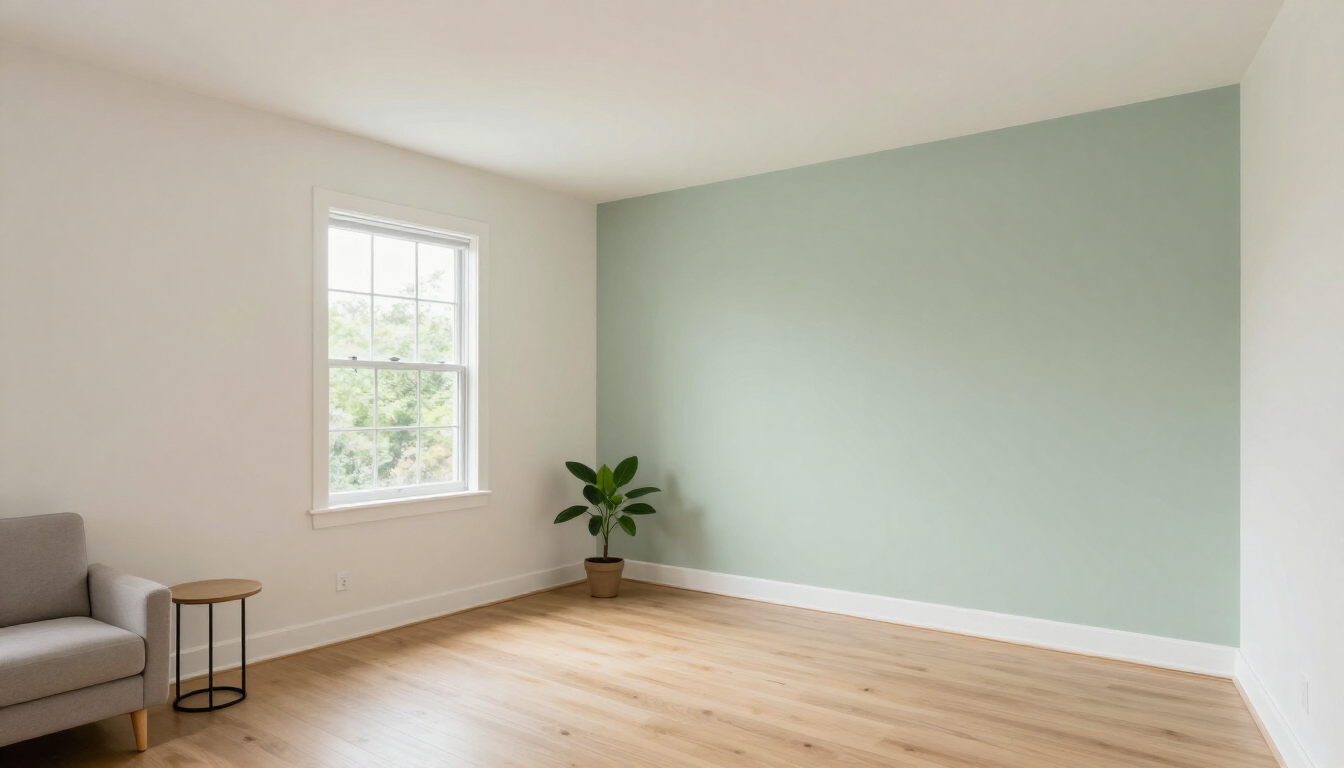
Interior paint is designed for indoor surfaces such as walls, ceilings, and trim. Depending on the formulation, it may offer features that help with cleaning, resistance to everyday scuffs, and maintaining an attractive appearance in frequently used rooms.
Different interior spaces have different requirements. A bedroom may benefit from a soft, low-sheen finish, while a busy hallway may need a more washable coating.
Interior paint selection should account for the surface material, room use, lighting, and desired appearance.
Exterior Paint
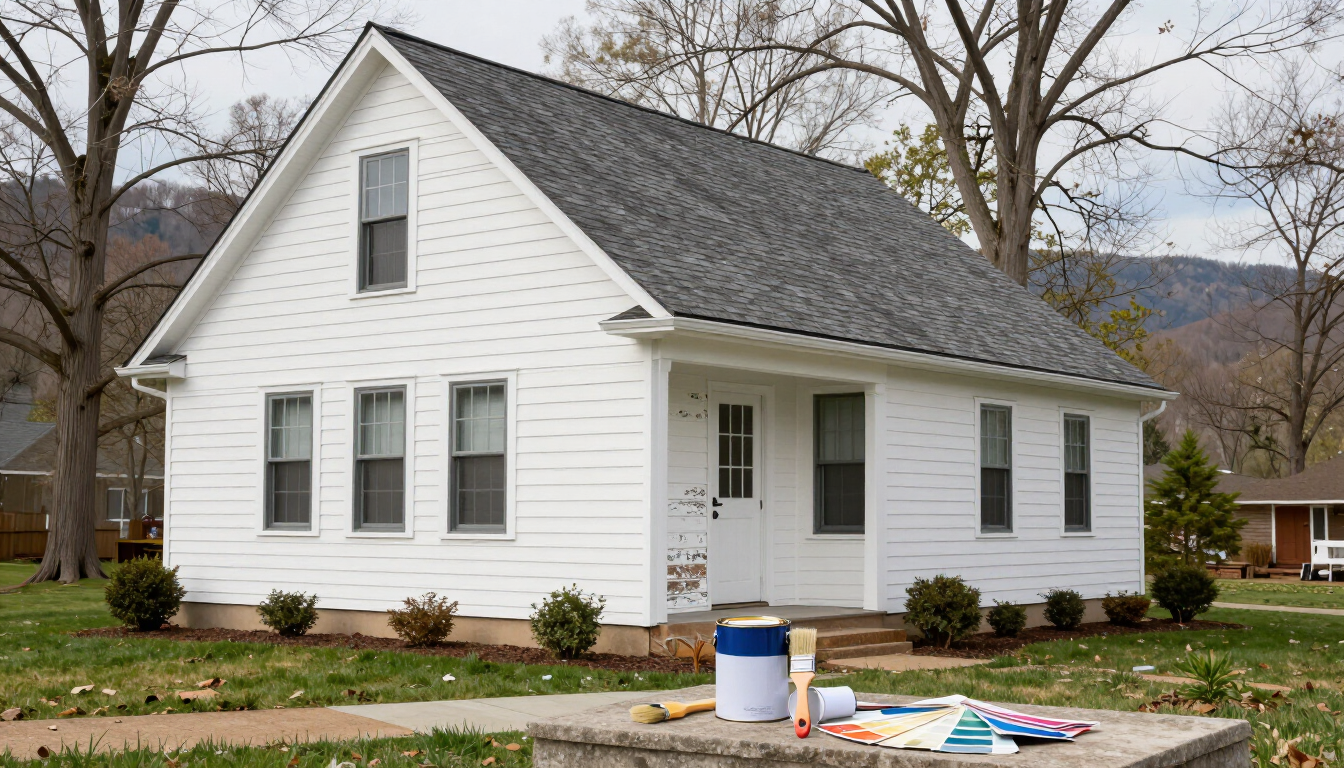
Exterior paint is formulated to withstand outdoor exposure. Depending on the product, it may provide resistance to moisture, sunlight, temperature changes, and other weather-related stresses.
These characteristics are particularly important for homes in Blacksburg and the surrounding New River Valley, where seasonal conditions can vary throughout the year.
Exterior paint must also be compatible with the surface being coated, whether that surface is wood, fiber cement, masonry, or another suitable material.
Important: Interior and exterior paints should not be treated as interchangeable. Always use a product specifically intended for the surface and environment in question.
2. Choose the Right Interior Paint Finish for Each Room
Paint finish affects how a surface looks and how easily it can be cleaned. The best choice depends on the room, the amount of activity it receives, and the condition of the walls.
Flat or Matte Finish
Flat and matte finishes have little sheen and can help create a smooth, understated appearance. They may also make minor surface imperfections less noticeable.
These finishes are often considered for ceilings, bedrooms, and lower-traffic spaces. However, some flat paints are less washable than higher-sheen alternatives, so product specifications matter.
Eggshell Finish
Eggshell offers a subtle sheen that falls between flat and satin. It can be a practical option for living rooms, dining rooms, and other spaces where homeowners want a balance between appearance and everyday maintenance.
Satin Finish
Satin has a noticeable sheen and is often selected for areas that receive regular use. Depending on the product, it may be easier to clean than a flatter finish.
It is commonly considered for family rooms, hallways, and other active spaces.
Semi-Gloss Finish
Semi-gloss reflects more light and is frequently used on trim, doors, and other surfaces that benefit from a more durable, washable coating.
The best finish ultimately depends on the specific paint product and the surface preparation. A professional painter can help you compare options based on your household's needs.
3. Select Exterior Paint That Can Handle Virginia Weather
Exterior surfaces face conditions that interior walls do not. Sunlight, rain, humidity, temperature changes, and seasonal weather can gradually affect an exterior paint finish.
Choosing a quality exterior coating suited to the material is important, but product selection is only part of the process.
Proper surface preparation is equally essential. Peeling paint, loose material, dirt, mildew, and other contaminants may interfere with adhesion if they are not addressed appropriately.
Before painting, the surface should be evaluated to determine whether cleaning, scraping, sanding, repairs, or a suitable primer is needed.
Homeowners in Blacksburg, Christiansburg, and surrounding communities should also consider weather conditions when planning an exterior painting project. Paint manufacturers specify application temperature, moisture, and drying requirements that should be followed to help achieve the intended result.
Using the right paint and preparing the surface properly can help reduce premature peeling and other coating problems.
4. Prepare Surfaces Before Applying Paint
Even a high-quality paint product may perform poorly when applied to an inadequately prepared surface.
Preparation helps create a suitable foundation for the new coating and allows underlying problems to be addressed before they become hidden beneath fresh paint.
For interior painting, preparation may include:
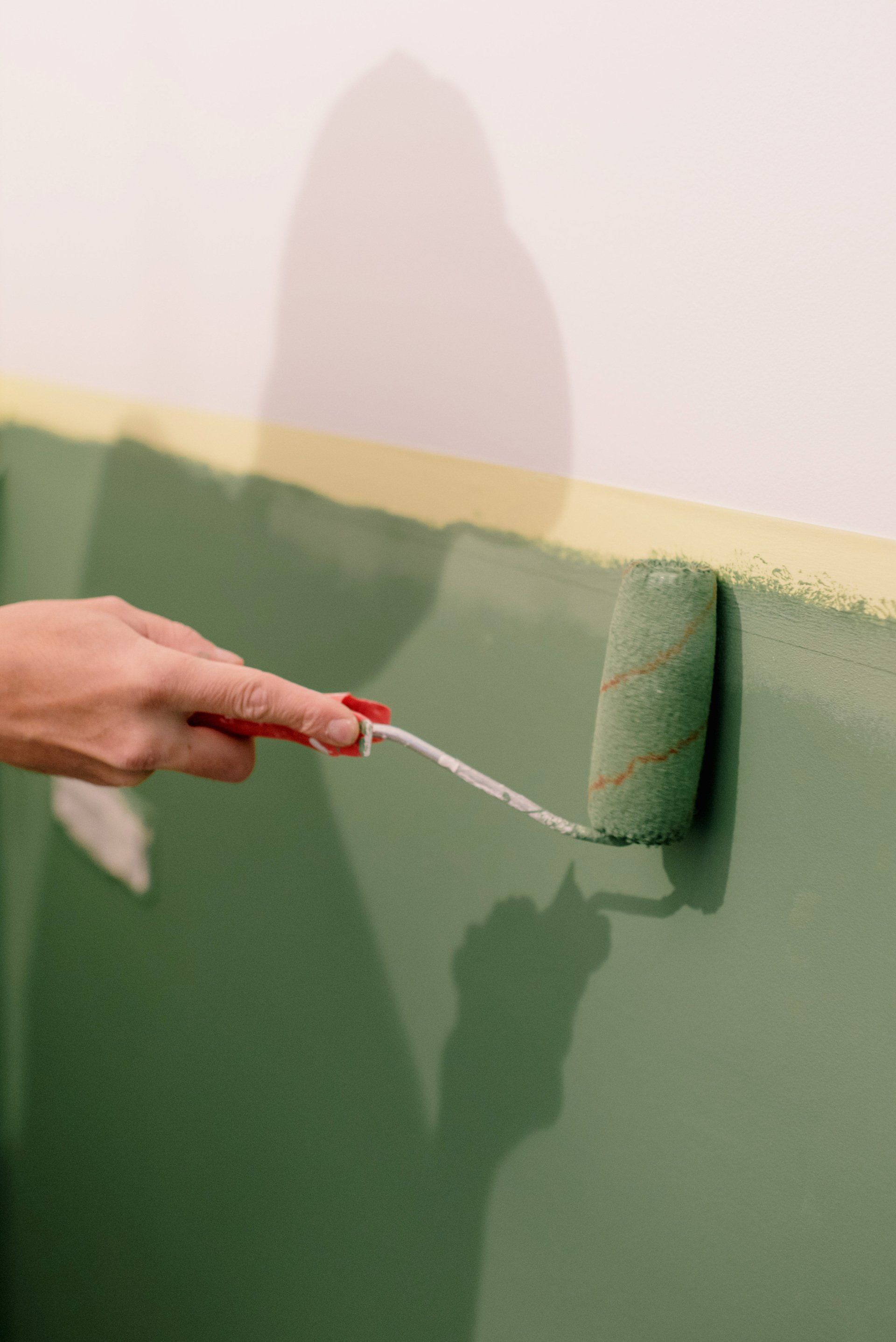
- Moving or protecting furniture and nearby belongings.
- Cleaning surfaces to remove dust, grease, and other contaminants.
- Filling appropriate nail holes and minor surface imperfections.
- Sanding selected areas to create a suitable surface.
- Priming repaired areas or surfaces that require it.
- Protecting flooring, trim, and fixtures.
Exterior preparation may involve cleaning, scraping loose paint, sanding, repairing damaged areas, and applying primer where appropriate.
The exact process depends on the existing coating and the material being painted. For example, damaged wood siding may require repairs before painting, while previously painted drywall may need a different preparation approach.
FreshStart Painting Professionals LLC can help homeowners evaluate their painting project and determine the preparation needed for the surfaces involved.
5. Consider Color, Lighting, and Your Home's Style
Choosing a paint color can be one of the most enjoyable parts of a home improvement project, but colors often appear different once they are applied to a large surface.
Natural light, artificial lighting, surrounding finishes, and the direction a room faces can all affect how a color looks.
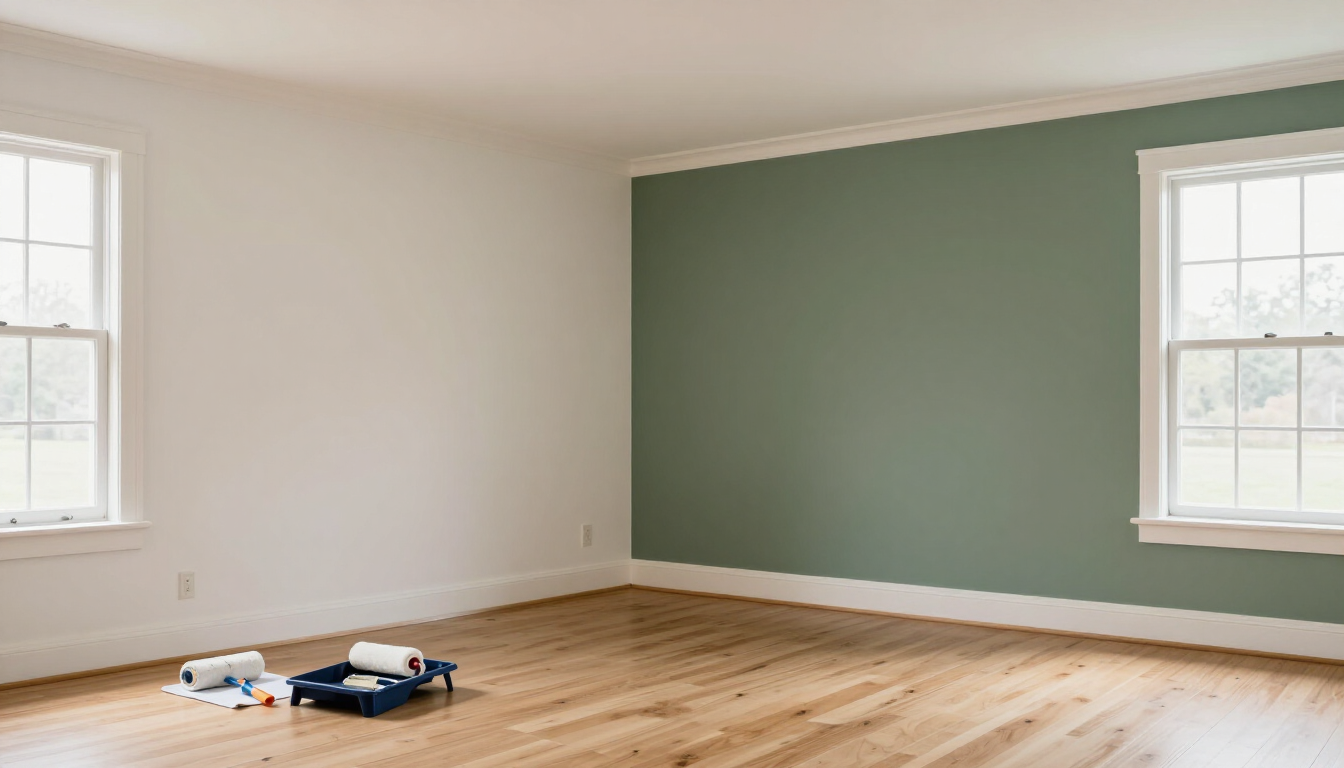
For interior spaces, consider how the paint will work with flooring, cabinetry, furniture, and trim. Neutral colors may provide flexibility, while more saturated colors can help create a distinctive focal point.
For exterior painting, consider the architectural style of your home and the relationship between siding, trim, doors, roofing, and the surrounding landscape.
Before committing to a color, test samples on the intended surface and review them under different lighting conditions. This can help you avoid choosing a color based only on a small printed sample or a digital image.
A thoughtful color plan helps create a cohesive result across the home.
6. Know When Primer Is Necessary
Primer helps prepare certain surfaces for paint and can improve adhesion, coverage, or stain blocking when the appropriate product is used.
However, not every painting project requires the same primer, and some modern paints are formulated for specific applications that may not need a separate primer under certain conditions.
Primer may be appropriate when:
- Painting a new or previously unpainted surface.
- Covering stains that could bleed through the finish.
- Applying paint over certain repaired areas.
- Changing from a significantly different existing color.
- Working with a surface that requires a specialized bonding primer.
- Addressing material-specific requirements.
The decision should be based on the surface, existing coating, paint manufacturer's instructions, and the condition of the area.
Using the wrong primer—or skipping a necessary one—can contribute to adhesion or coverage problems. Evaluating the surface before beginning helps determine the appropriate products and application process.
7. Recognize When It Is Time to Repaint
Paint does not last indefinitely. Over time, interior walls may develop scuffs and marks, while exterior coatings can fade, peel, crack, or show signs of weather exposure.
The timing of a repaint depends on the paint quality, preparation, surface material, exposure, and how heavily the area is used.
Signs that your home may need a fresh coat of paint include:
- Peeling or flaking exterior paint.
- Faded colors or uneven exterior coverage.
- Scuffed interior walls that no longer clean up well.
- Cracking or deteriorating paint around trim.
- Discoloration that persists after appropriate cleaning.
- A desire to update the appearance of your home before a renovation or sale.
Paint problems can sometimes indicate underlying moisture or surface damage. These issues should be investigated and addressed before repainting, rather than simply covering them with another coat.
If your home has visible coating problems, a professional evaluation can help identify the likely cause and determine what preparation or repairs may be needed.
8. Why Professional House Painting Can Make a Difference
Painting a room or exterior surface may appear straightforward, but achieving a consistent finish requires careful planning and execution.
Professional painters understand how preparation, product selection, application techniques, and environmental conditions affect the finished work.
Depending on the project, professional painting services may help with:
- Selecting suitable paints and finishes.
- Preparing surfaces before application.
- Protecting floors, fixtures, landscaping, and nearby surfaces.
- Applying paint consistently.
- Identifying damaged areas that require attention.
- Coordinating the project from preparation through cleanup.
For larger projects or homes with difficult-to-reach exterior surfaces, professional assistance can also reduce the need for homeowners to handle potentially hazardous work themselves.
Choosing an experienced painting service can help you understand the scope of the project and make informed decisions about the finish you want to achieve.
Refresh Your Blacksburg, VA Home With FreshStart Painting Professionals LLC
Choosing the right paint is an important part of any home painting project. Interior and exterior surfaces have different needs, and the right combination of paint, finish, preparation, and application can influence both appearance and long-term performance.
Whether you are updating interior walls, refreshing exterior siding, or planning a larger residential painting project, FreshStart Painting Professionals LLC can help you explore your options.
The company serves homeowners in Blacksburg, Christiansburg, Radford, Pulaski, and Montgomery County, VA.
Ready to update your home with a fresh coat of paint?
Contact
FreshStart Painting Professionals LLC to discuss your interior or exterior painting project.