How to Choose Paint Colors for Small Rooms in Blacksburg, VA
Choosing paint colors for a small room can feel challenging. A color that looks beautiful on a paint sample may appear completely different once it covers the walls, especially when the room has limited natural light, low ceilings, or only a few windows.
For homeowners considering interior painting in Blacksburg, VA, the right color selection can help a room feel more comfortable, coordinated, and suited to its purpose. While paint cannot physically increase a room's dimensions, thoughtful color choices and finishes can influence how spacious or inviting a space feels.
FreshStart Painting Professionals LLC helps homeowners refresh their interiors with professional painting services. Before starting your next painting project, consider these practical tips for choosing colors that work well in smaller spaces.
1. Start by Evaluating the Natural Light
Natural light is one of the most important factors to consider when choosing paint colors.
A small room with large windows may support a wider range of colors than a room with limited daylight. Rooms facing different directions can also receive light that changes the way paint appears throughout the day.
Before choosing a color, observe the room in the morning, afternoon, and evening.
Ask yourself:
- Does the room receive direct sunlight?
- Does it feel bright or shadowy during the day?
- Are nearby buildings or trees limiting the available light?
- Will the room rely primarily on overhead lighting or lamps?
In a room with limited natural light, warm whites, soft creams, and pale neutral shades can help create a welcoming atmosphere. In a brighter room, cooler neutrals or slightly deeper colors may work well without making the space feel overwhelming.
Always test paint samples on the actual walls before making a final decision. The room's lighting can change how the color looks compared with a store sample or digital image.
2. Consider Light Neutrals for a Brighter Appearance
Light neutral colors are popular for small rooms because they create a clean, understated backdrop for furniture and decorative elements.
Some options to consider include:
- Warm white: Works well in rooms where you want a bright appearance without an overly cool or stark effect.
- Soft beige: Adds warmth and can complement wood furniture, natural textures, and traditional interiors.
- Light greige: Combines gray and beige undertones, making it a versatile choice for many contemporary and transitional spaces.
- Pale gray: Offers a subtle, modern appearance and pairs well with white trim and simple furnishings.
- Soft cream: Can make a room feel comfortable and inviting, particularly when paired with warm lighting.
The best neutral depends on the room's existing finishes. Flooring, cabinets, countertops, furniture, and window treatments can all influence which undertones look most harmonious.
Rather than selecting a color simply because it is popular, choose one that complements the elements you plan to keep.
3. Don't Assume Small Rooms Must Always Be White
White paint is a common choice for smaller rooms, but it isn't the only option.
Soft greens, muted blues, dusty pinks, and other subdued shades can add personality without overwhelming a space. A carefully chosen color can also make a room feel more cohesive and intentional.
For example, a pale green may work well in a bedroom or reading nook where you want a calm atmosphere. A muted blue may suit a home office, while a warm blush tone can add softness to a powder room.
The key is to consider the color's intensity, undertone, and relationship to the room's lighting and furnishings.
If you prefer a darker shade, you don't necessarily need to rule it out. A deeper color can create a cozy, dramatic effect in a small room when used intentionally.
Think about the atmosphere you want rather than following a strict rule that every small space must be painted white.
4. Use Color Consistency to Create a Connected Space
In homes with smaller rooms, hallways, and open doorways, the relationship between neighboring colors can make a noticeable difference.
Using a consistent color palette can help the home feel connected instead of visually fragmented.
You might choose one primary neutral for the main living areas, then introduce complementary shades in bedrooms, bathrooms, and accent areas.
For example:
- Use a warm neutral in the living room and adjoining hallway.
- Introduce a softer version of the same color family in a bedroom.
- Use a coordinated muted shade in a home office.
- Keep trim colors consistent where they suit the home's overall design.
This doesn't mean every room must have the same paint color. Instead, choose colors that relate to one another through similar undertones or a shared palette.
For homeowners planning a larger interior painting project in Blacksburg, VA, considering the entire home's color scheme before painting individual rooms can help produce a more cohesive result.
5. Think Carefully About Accent Walls
An accent wall can add interest to a small room, but its placement and color deserve consideration.
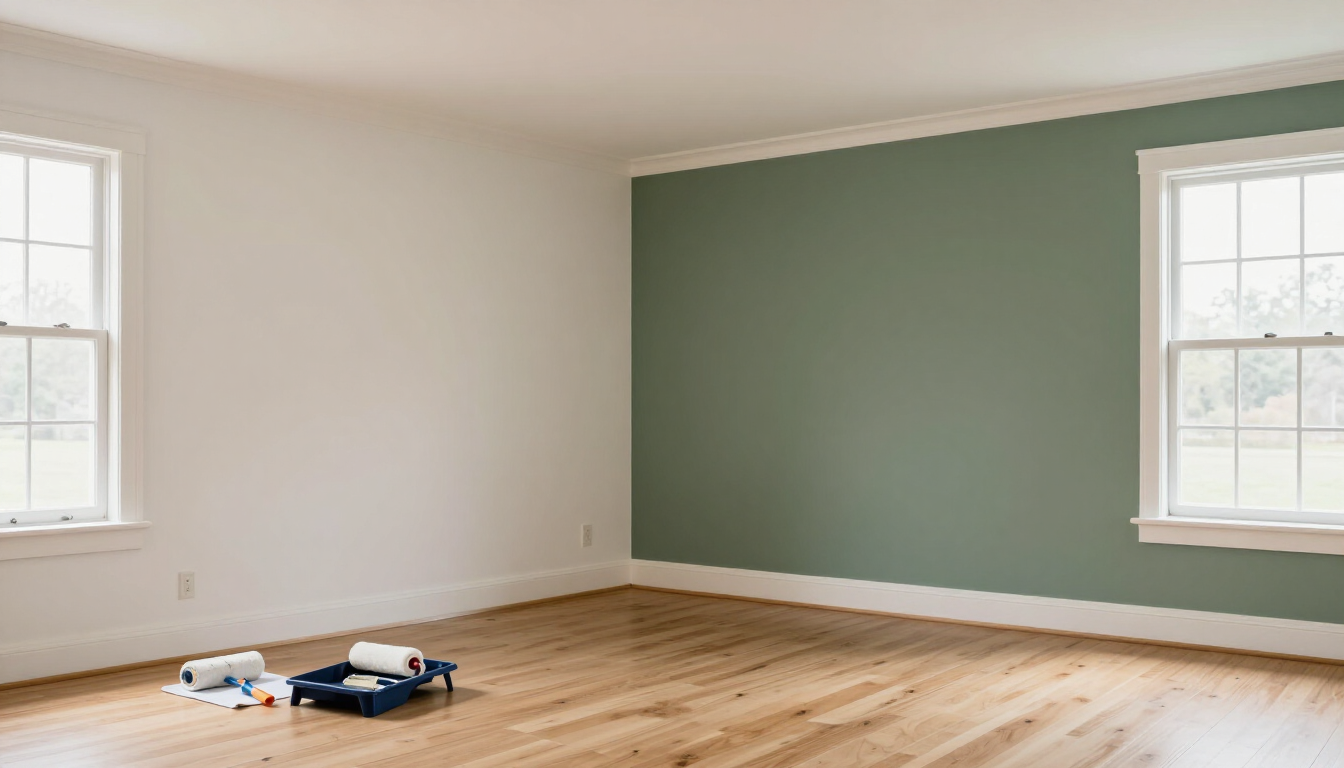
A darker accent wall may create a focal point behind a bed, sofa, or desk. However, an accent wall isn't automatically the best way to make a room appear larger.
Depending on the room's layout and lighting, contrasting colors can either add definition or make the space feel more visually divided.
Before choosing an accent wall, consider:
- Which wall naturally draws attention?
- Where are the windows and doors located?
- Will the color complement the furniture?
- Does the wall highlight an architectural feature?
- Will the accent color work with adjoining rooms?
If you want a subtle result, choose a shade that is only slightly deeper than the surrounding walls. If you prefer a stronger contrast, keep the room's other decorative elements relatively coordinated.
The goal is to create a deliberate focal point rather than adding contrast simply because the room is small.
6. Choose the Right Paint Finish
Paint color is only one part of the decision. The finish can also affect the appearance of the walls and how easy they are to maintain.
Common interior paint finishes include:
- Flat or matte: Provides a low-sheen appearance that can help reduce the visibility of minor surface imperfections. Its cleanability varies by product.
- Eggshell: Offers a subtle sheen and is a common option for many living areas and bedrooms.
- Satin: Has a more noticeable sheen and is often considered for spaces that need easier routine cleaning, depending on the paint product.
- Semi-gloss: Provides a higher sheen and is frequently used on trim, doors, and selected surfaces that benefit from a more durable finish.
- The appropriate finish depends on the surface condition, room use, expected wear, and manufacturer's recommendations.
A glossier finish may reflect more light, but it can also highlight wall imperfections. Proper surface preparation is important regardless of the finish you select.
Discuss the room's needs with your painting professional before choosing a product.
7. Test Samples Before Painting the Entire Room
One of the easiest ways to avoid disappointment is to test your preferred colors before committing to the full project.
Paint samples can look different when placed next to flooring, furniture, and trim. A shade that appears neutral on its own may reveal yellow, pink, green, or blue undertones once it is on the wall.
For a more reliable comparison:
- Narrow your choices to two or three colors.
- Apply samples to separate areas of the room.
- Observe them in natural daylight and artificial lighting.
- Compare them with the furniture, flooring, and trim.
- Give yourself time to decide before purchasing the full quantity.
If possible, test samples on more than one wall, especially if one side of the room receives significantly less light.
This simple step can help you make a more confident decision and reduce the likelihood of repainting because the finished color looks different from what you expected.
8. Prepare the Walls for a Professional-Looking Finish
Even a well-chosen color can disappoint if the surface underneath is not properly prepared.
Small rooms often draw attention to walls because the viewer is closer to the painted surfaces. Visible nail holes, uneven patches, peeling paint, or rough areas can affect the final appearance.
Before painting, the surface may need cleaning, minor repairs, sanding, and appropriate priming. The exact preparation depends on the wall material, existing coating, and condition of the surface.
Moving furniture away from the walls and protecting flooring and fixtures can also help prepare the room for the project.
Professional painting can be particularly helpful when the room contains damaged drywall, difficult-to-reach areas, detailed trim, or surfaces that require specialized preparation.
Taking time to prepare the walls helps establish the foundation for a consistent, attractive finish.
Refresh Your Small Rooms With Interior Painting in Blacksburg, VA
Small rooms offer plenty of opportunities to create comfortable, attractive spaces. By considering natural light, coordinating colors with existing finishes, choosing an appropriate paint sheen, and testing samples before committing, you can select a palette that suits your home and personal style.
The best choice isn't always the lightest color or the latest trend. It's the color and finish that work with your room's lighting, layout, furnishings, and intended use.
FreshStart Painting Professionals LLC provides painting services for homeowners in Blacksburg, Christiansburg, Radford, Pulaski, and Montgomery County, VA.
If you're planning to refresh a bedroom, home office, hallway, or another interior space, professional guidance can help you plan the project and choose an approach that fits your goals.
Ready to update your home's interior? Contact FreshStart Painting Professionals LLC to discuss your interior painting project and explore options for refreshing your living spaces.